


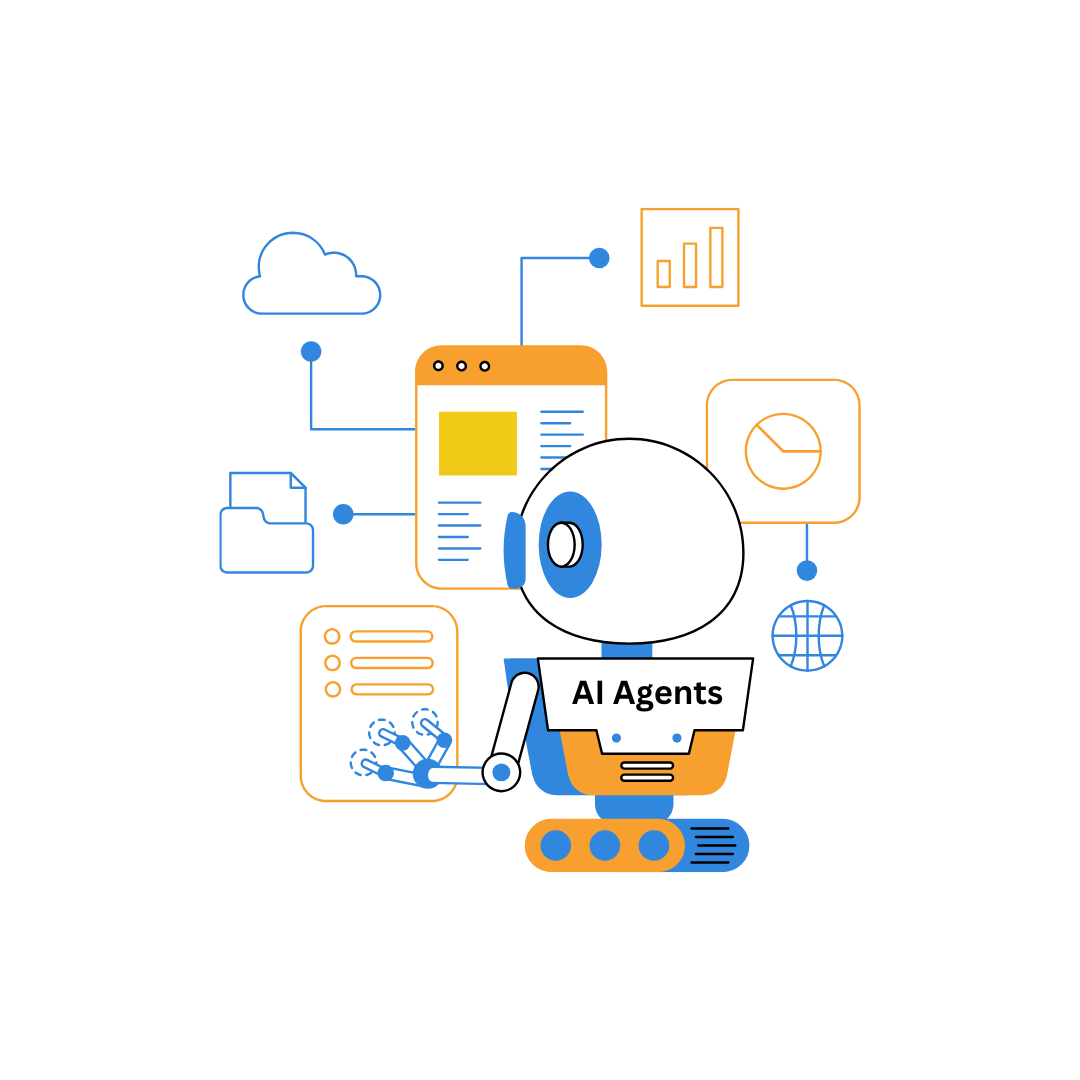
AI Agents in B2B Integration AI Agents change B2B data integration by taking over four jobs that people used to do by hand: mapping fields between trading partner formats, reading unstructured documents into structured records, catching data errors before transmission, and clearing exceptions without a queue. It works on top of EDI and GDSN rather […]
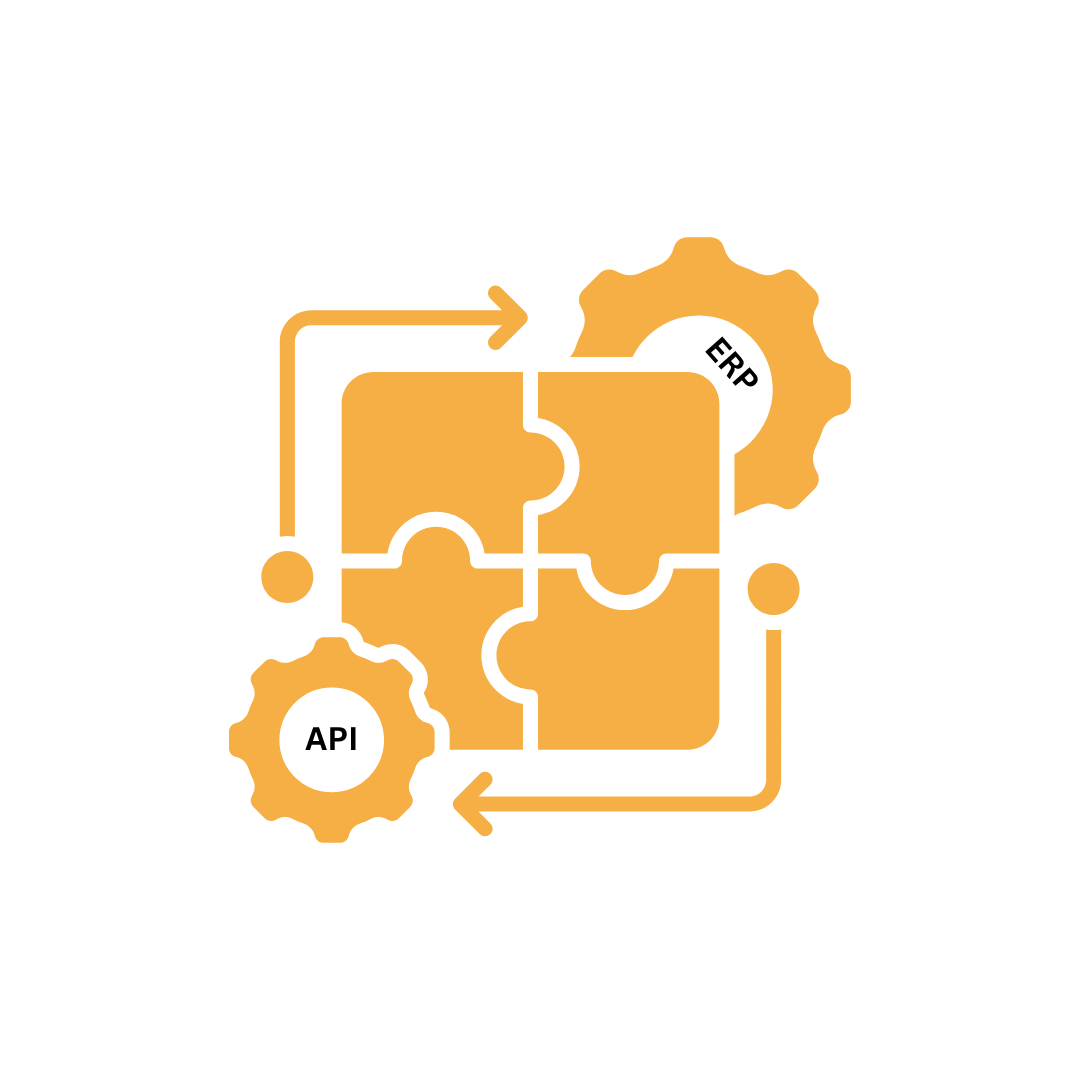
What is Business Integration? Business integration connects separate applications, data stores, and workflows so information moves between them without manual re-entry. Companies that integrate report productivity gains of 20% to 25%, error reductions of up to 80%, and lower software spend. The first measurable returns usually appear in finance, order processing, and customer service. Introduction […]
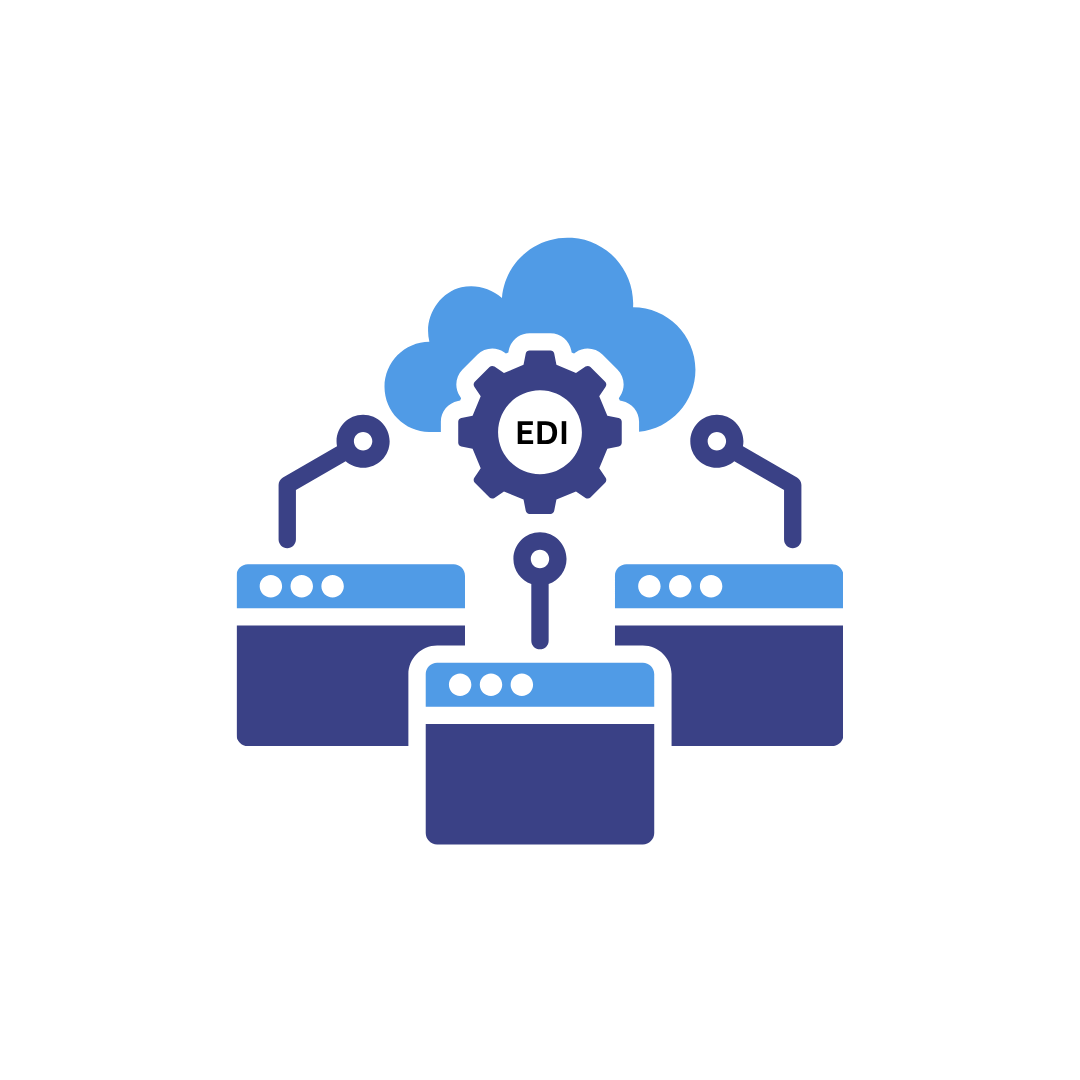
Data Integrations vs Application Integration Data integration consolidates information from multiple sources into a single repository (usually a data warehouse or lake) for analysis, most often via batch ETL. Application integration connects software systems in real time through APIs and messaging, so they trigger each other’s workflows automatically. The two solve different problems: data integration […]
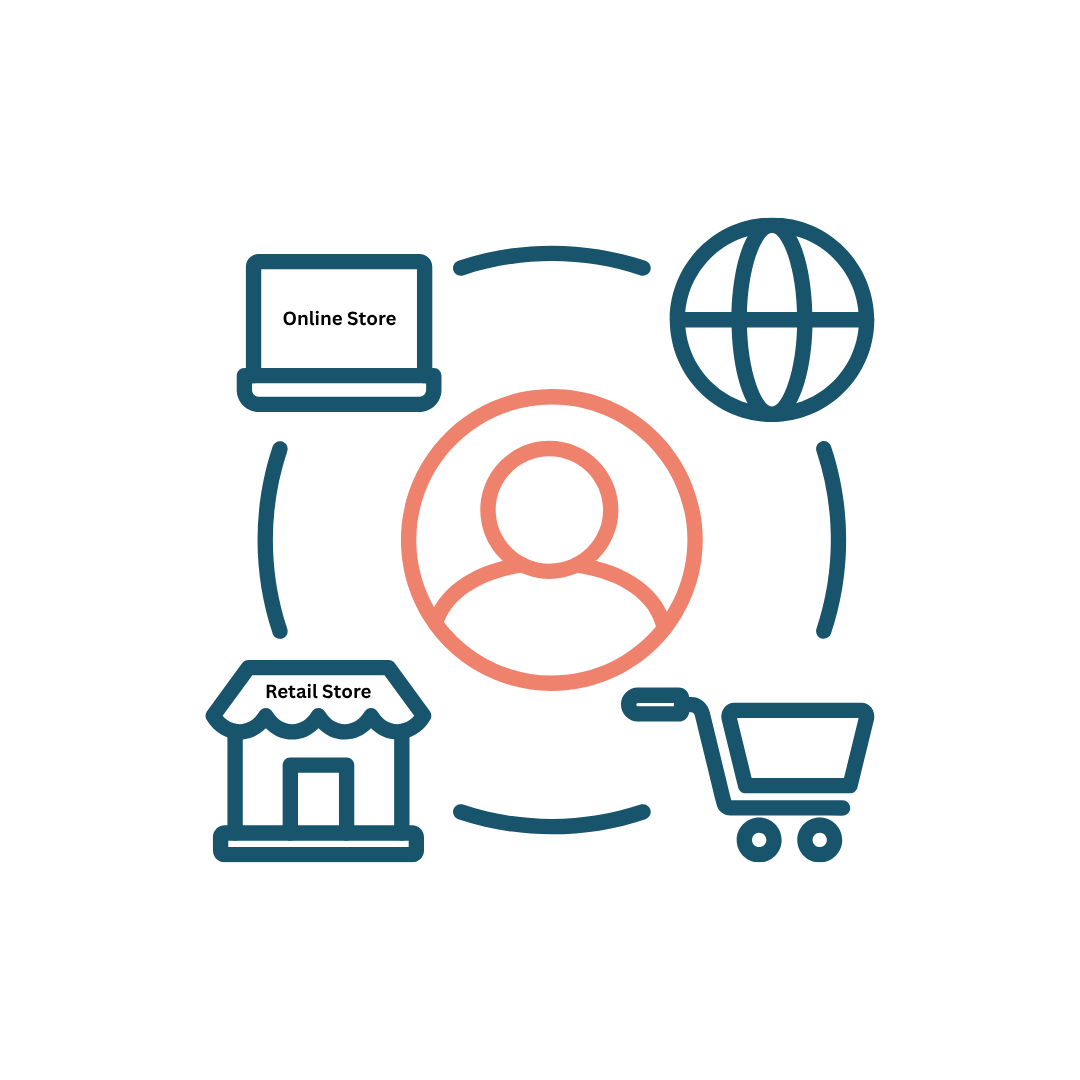
EDI Omnichannel Capability Electronic Data Interchange (EDI) builds omnichannel capability by standardizing how inventory, pricing, and order data move between every sales channel, from POS to e-commerce to marketplaces, in real time. Instead of each platform running on its own disconnected system, EDI gives retailers one accurate source of truth, which cuts overselling, reduces inventory […]
Healthcare Supply Chain Issues Supply chain issues in healthcare are the shortages, overspending, and data gaps that keep the right product from reaching the point of care. The main causes include single-source suppliers, manual inventory counts, and systems that don’t share data. Standardized product data (GS1, GDSN), EDI ordering, and real-time inventory visibility target each […]