


GDSN for Brand Manufacturers GDSN lets a brand manufacturer publish validated product records and have every subscribed retailer receive them automatically. Manufacturers use it to cut chargebacks caused by mismatched product data, shorten retailer listing cycles, and meet food, healthcare and retail attribute rules without re-keying specifications for each partner. Access runs through a GS1-certified […]

AI Agents in PIM Solution AI agents in PIM cut product data management time by automating four jobs that previously required a person: reading unstructured supplier documents, mapping products to retailer taxonomies, generating channel-specific descriptions, and catching data errors before syndication. Unlike rules-based PIM automation, which applies fixed if-then logic, an AI agent interprets ambiguous […]

The Role of PIM and GDSN in Digital Commerce GDSN and PIM solve two different halves of the same problem. PIM (Product Information Management) centralizes, enriches, and manages product data inside your business. GDSN (Global Data Synchronization Network) synchronizes that same data with trading partners through GS1-certified data pools, a network that now carries more […]
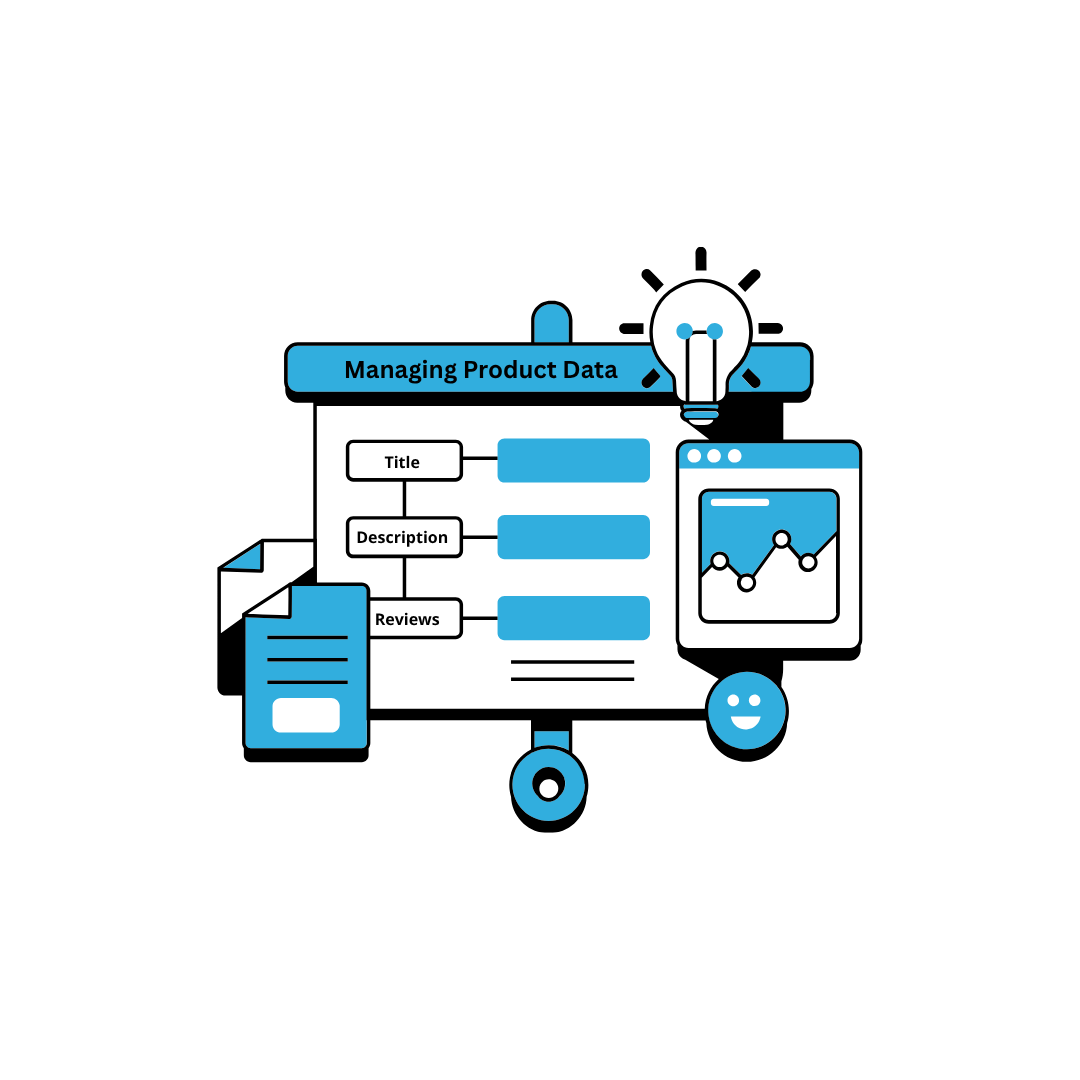
Introduction to Product Data Management Across Multiple Platforms Poor product data management costs businesses $12.9 million annually, according to Gartner. Disorganized product information leads to misplaced files, incorrect specifications, and unnecessary rework that impacts profitability. Manufacturers are projected to generate 4.4 zettabytes of data annually by 2030, making efficient data management more critical than ever. […]
Introduction to GDSN for Retailers Understanding GDSN for retailers begins with recognizing that major players like Kroger, Walmart, Amazon, and other retailers rely on this network for product data management. With more than 50 GS1-certified data pools available, this system has become essential infrastructure for modern retail operations. The GDSN meaning centers on standardized product […]