


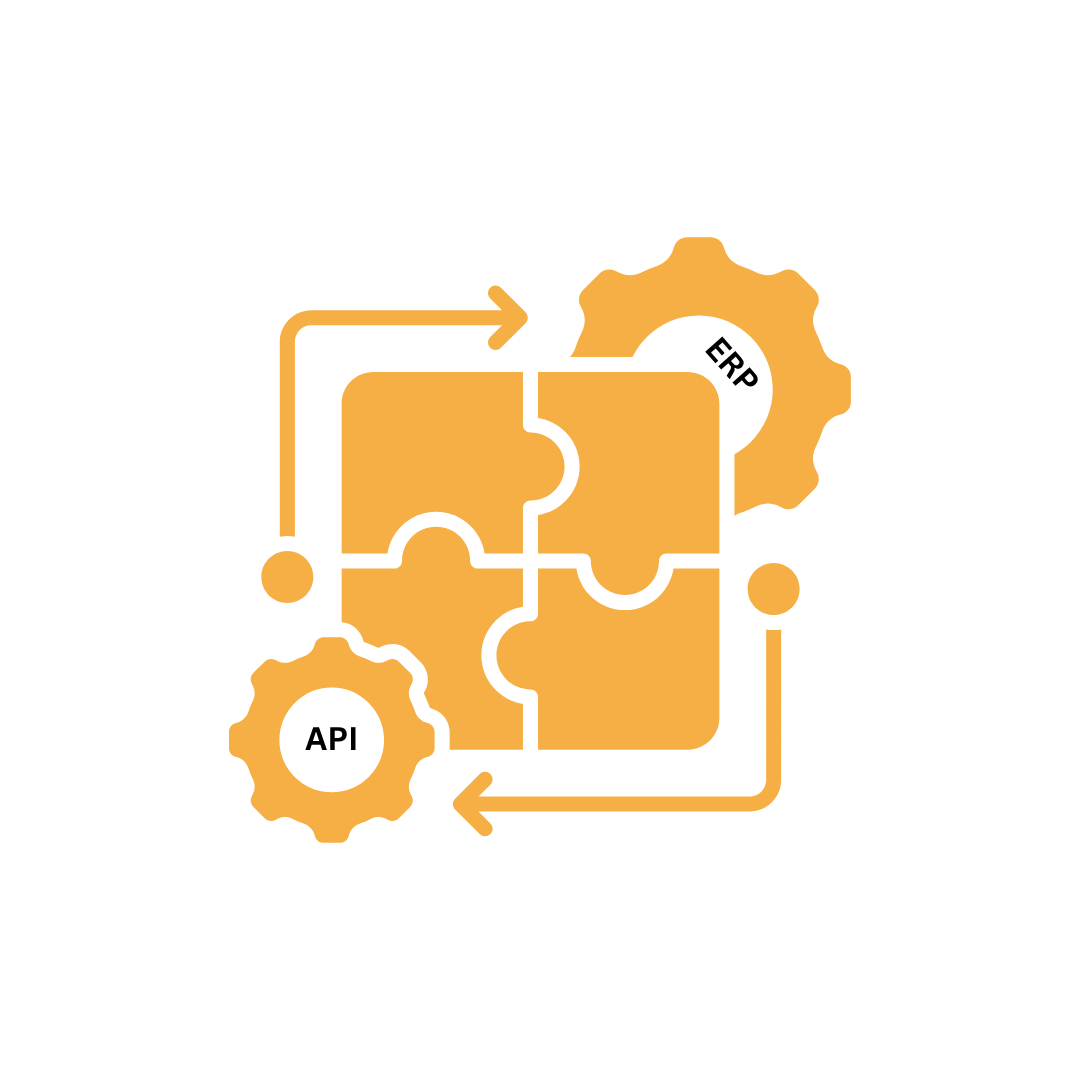
What is Business Integration? Business integration connects separate applications, data stores, and workflows so information moves between them without manual re-entry. Companies that integrate report productivity gains of 20% to 25%, error reductions of up to 80%, and lower software spend. The first measurable returns usually appear in finance, order processing, and customer service. Introduction […]
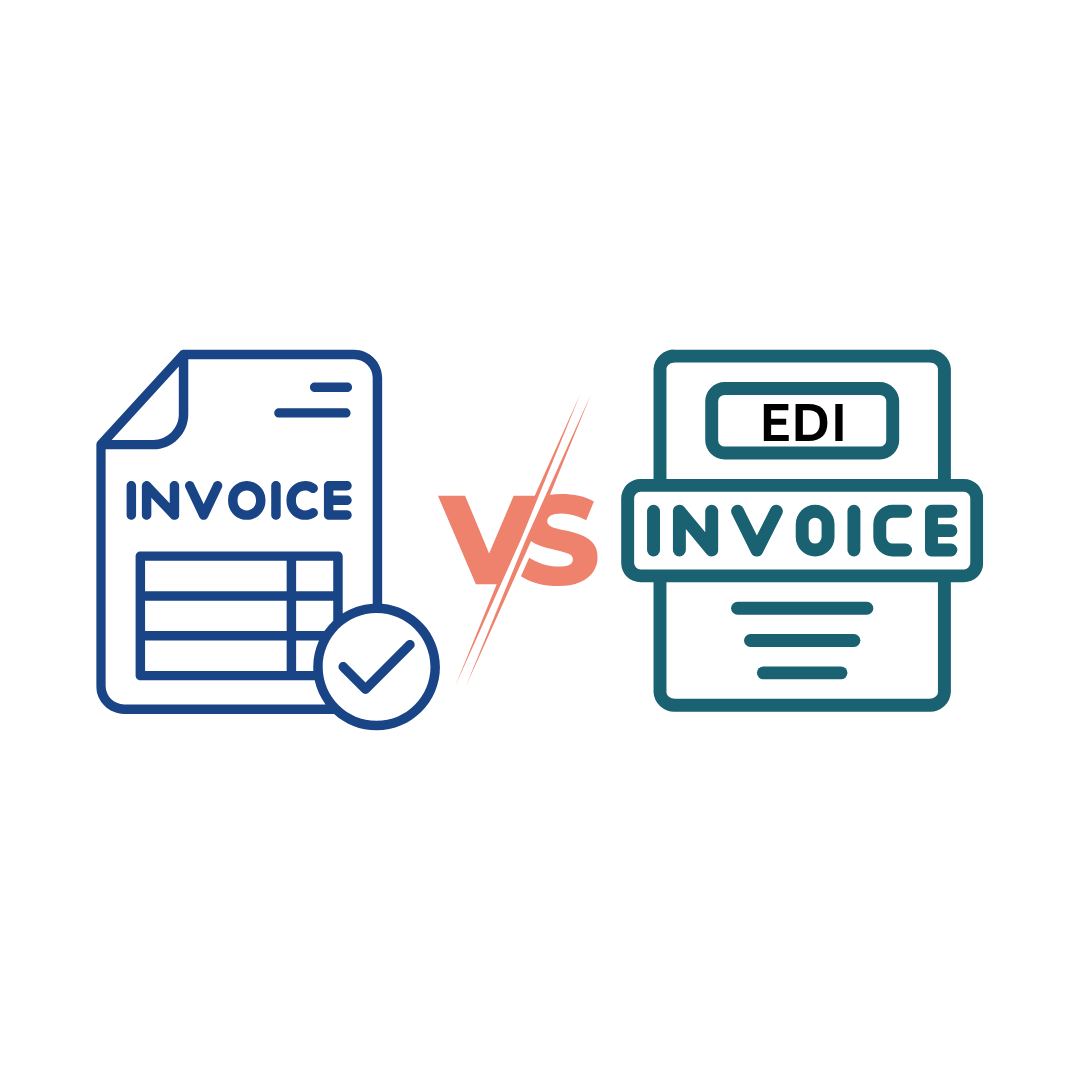
E-Invoice Vs EDI Invoice An e-invoice is a structured invoice built to satisfy a government tax mandate. An EDI invoice is a structured invoice built to satisfy a trading partner agreement. Both carry machine-readable data instead of a PDF. The difference is who sets the rules: a tax authority defines e-invoicing formats and deadlines, while […]
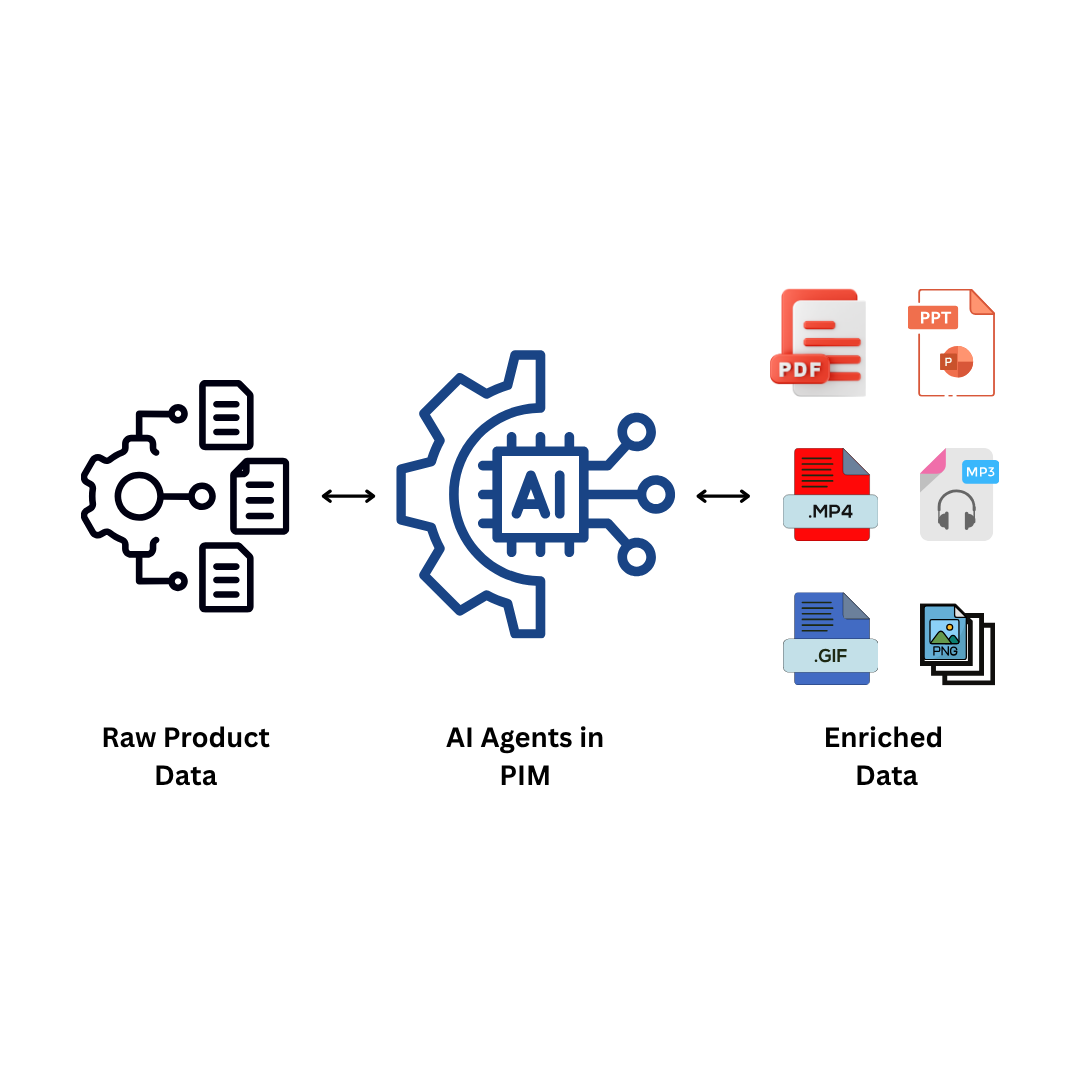
AI Agents in PIM Solution AI agents in PIM cut product data management time by automating four jobs that previously required a person: reading unstructured supplier documents, mapping products to retailer taxonomies, generating channel-specific descriptions, and catching data errors before syndication. Unlike rules-based PIM automation, which applies fixed if-then logic, an AI agent interprets ambiguous […]
Data Integrations vs Application Integration Data integration consolidates information from multiple sources into a single repository (usually a data warehouse or lake) for analysis, most often via batch ETL. Application integration connects software systems in real time through APIs and messaging, so they trigger each other’s workflows automatically. The two solve different problems: data integration […]
Supply Chain Technology Trends The dominant supply chain technology trends for 2026 center on AI that acts, not just advises. Gartner groups its top eight trends into three themes: autonomy and agency, specialization and intelligence, and trust and governance. Standouts include agentic AI, physical AI, polyfunctional robots, intelligent simulation, and decision governance. ASCM adds the […]