


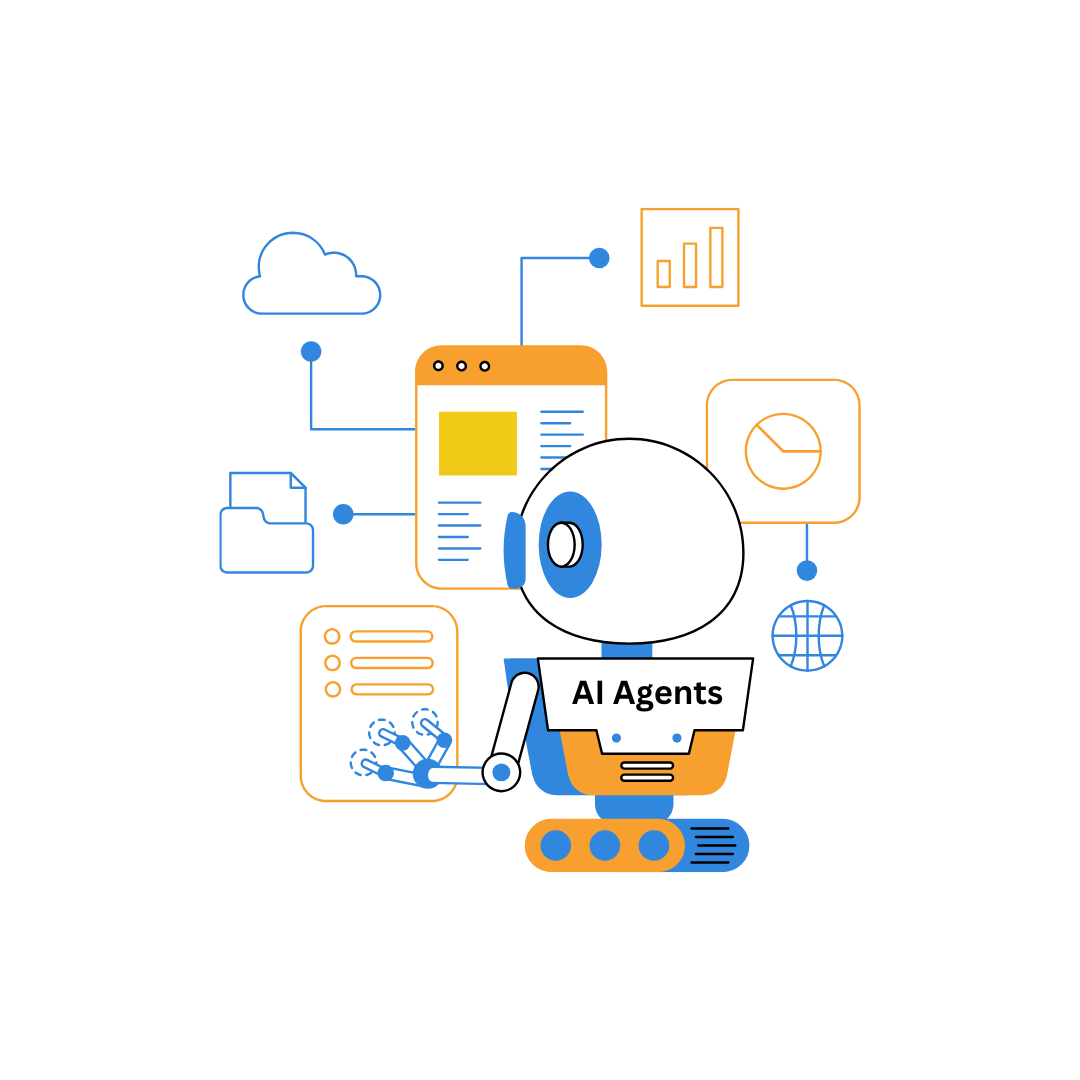
AI Agents in B2B Integration AI Agents change B2B data integration by taking over four jobs that people used to do by hand: mapping fields between trading partner formats, reading unstructured documents into structured records, catching data errors before transmission, and clearing exceptions without a queue. It works on top of EDI and GDSN rather […]
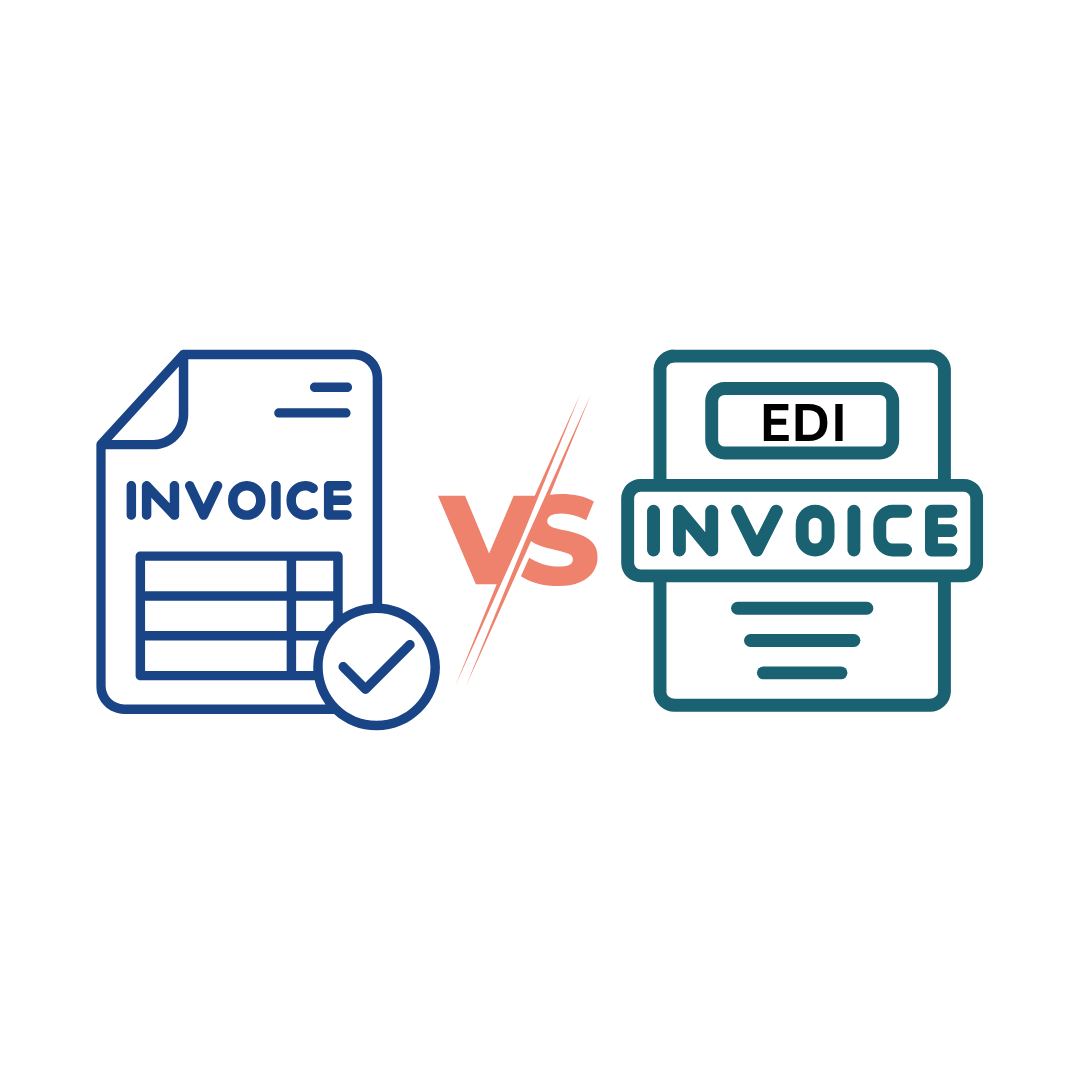
E-Invoice Vs EDI Invoice An e-invoice is a structured invoice built to satisfy a government tax mandate. An EDI invoice is a structured invoice built to satisfy a trading partner agreement. Both carry machine-readable data instead of a PDF. The difference is who sets the rules: a tax authority defines e-invoicing formats and deadlines, while […]
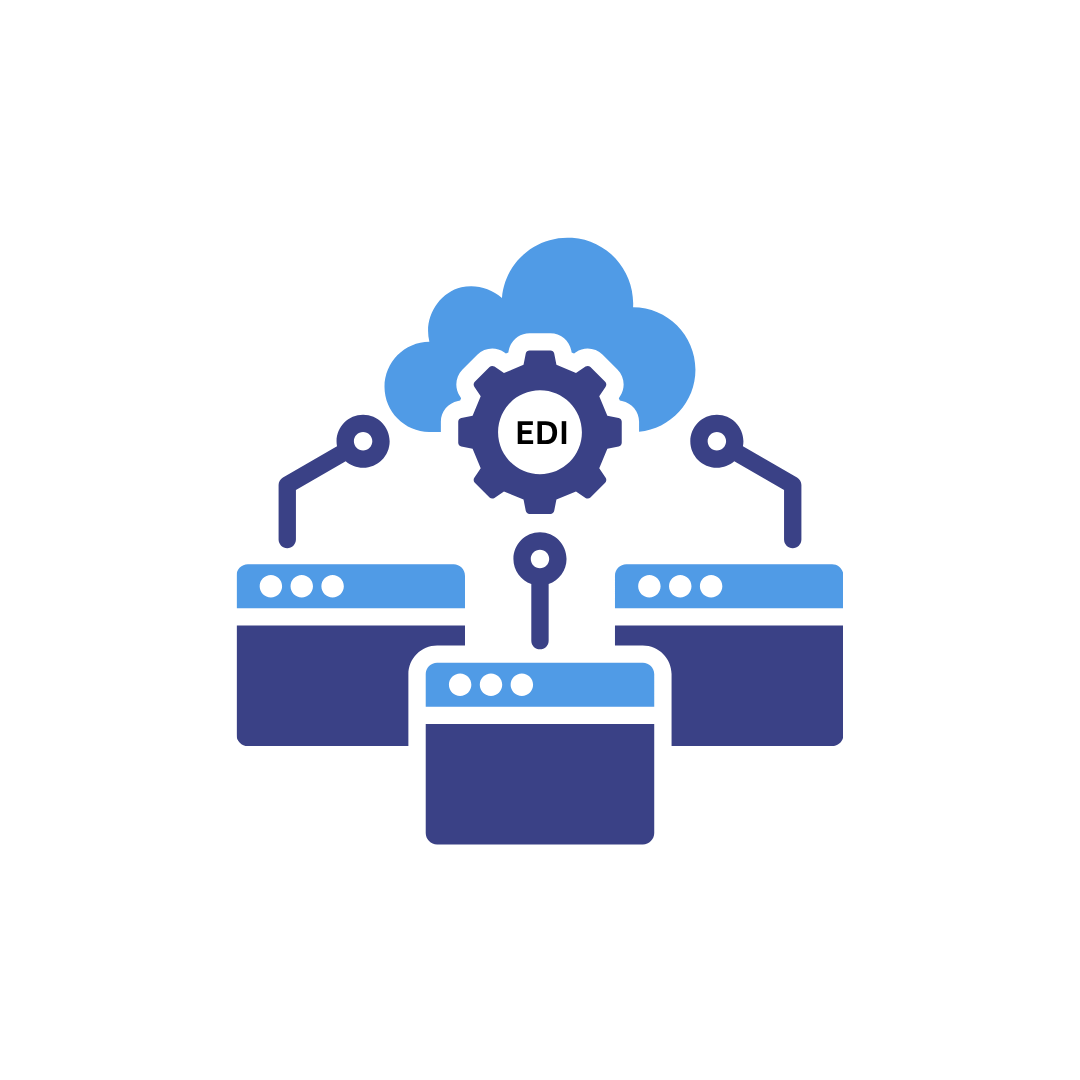
Data Integrations vs Application Integration Data integration consolidates information from multiple sources into a single repository (usually a data warehouse or lake) for analysis, most often via batch ETL. Application integration connects software systems in real time through APIs and messaging, so they trigger each other’s workflows automatically. The two solve different problems: data integration […]

EDI Omnichannel Capability Electronic Data Interchange (EDI) builds omnichannel capability by standardizing how inventory, pricing, and order data move between every sales channel, from POS to e-commerce to marketplaces, in real time. Instead of each platform running on its own disconnected system, EDI gives retailers one accurate source of truth, which cuts overselling, reduces inventory […]
EDI Data Accuracy Importance Electronic Data Interchange (EDI) boosts data accuracy by replacing manual data entry with automated, standardized document exchange, cutting error rates from roughly 30% to below 1%. That accuracy gain translates directly into savings: a manual purchase order costs $30 or more to process, while an EDI transaction costs less than $1. […]